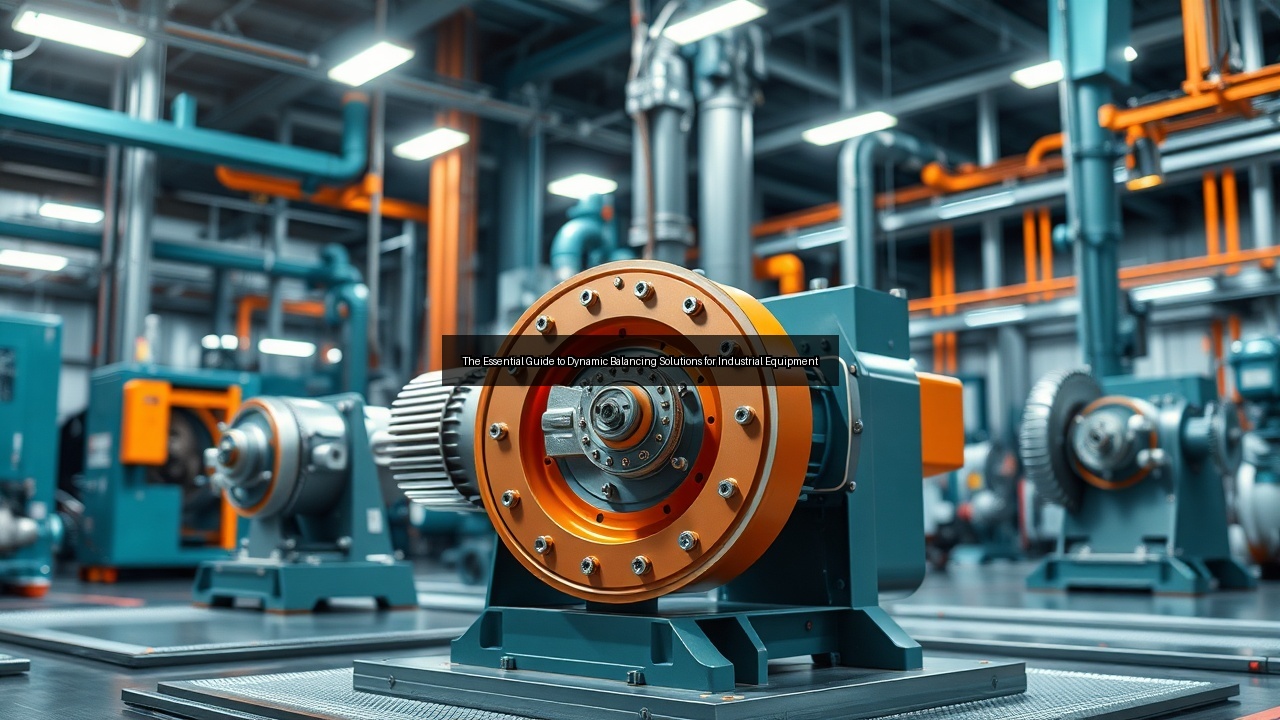
The Essential Guide to Dynamic Balancing Solutions for Industrial Equipment
Understanding Dynamic Balancing Solutions
What is Dynamic Balancing?
Dynamic balancing refers to the process of adjusting the mass distribution of rotating equipment to minimize vibration during operation. This technique ensures that mechanical components, such as rotors, pumps, compressors, and turbines, operate smoothly and efficiently. By balancing the mass around the rotational axis, dynamic balancing reduces the likelihood of excessive wear and tear on machinery, which can lead to premature failure. The process is essential for various industrial applications, especially where high-speed motion is involved. Balancing machines and specialized instrumentation help in achieving precise alignment and mass distribution, contributing to overall equipment reliability.
Importance of Dynamic Balancing in Industrial Equipment
The importance of dynamic balancing in industrial equipment cannot be overstated. Imbalanced machinery leads to increased vibration, which can result in significant operational issues. High vibration levels can cause damage to bearings, gears, and other critical components, ultimately affecting the longevity of the machine. Additionally, imbalanced equipment consumes more energy, leading to higher operational costs. Implementing a dynamic balancing service enhances the reliability of machines and ensures they operate within their designed specifications. This proactive approach not only extends the life of equipment but also improves safety in the workplace by reducing the likelihood of catastrophic failures.
Applications of Dynamic Balancing in Different Machines
Dynamic balancing finds applications across a wide range of industrial machines. In gas turbines, for example, precise balancing is crucial for maintaining operational efficiency and preventing catastrophic failures. Similarly, electric motor balancers play a vital role in ensuring that electric motors operate smoothly, which is essential in applications ranging from manufacturing plants to HVAC systems. Compressors benefit significantly from dynamic balancing, as it enhances performance and reduces wear on critical components. Additionally, balancing is vital for pumps, especially those handling liquids, where imbalances can lead to cavitation and erosion. The versatility of dynamic balancing solutions makes them an indispensable part of modern industrial practices.
Dynamic Balancing Services: Techniques and Technologies
Inspection and Audit Processes for Effective Balancing
Effective dynamic balancing begins with thorough inspection and audit processes. These processes involve detailed assessments of machinery to identify any imbalances that may exist. Engineers utilize advanced techniques, including infrared thermography and condition monitoring, to assess the operational state of equipment. By gathering real-time data through sensors, specialists can pinpoint the sources of vibration and misalignment. Regular audits not only detect existing issues but also help in predicting potential failures. A quality dynamic balancing service incorporates these inspections into their routine maintenance schedule, ensuring that machinery remains in optimal condition and performs reliably throughout its lifespan.
Balancing Machines: Types and Their Uses
Balancing machines come in various types, tailored for different applications and equipment sizes. Static balancing machines are designed for smaller components, such as electric motor rotors and gear assemblies, allowing for precise weight distribution checks. Dynamic balancing machines, on the other hand, cater to larger equipment like gas turbines and industrial compressors. These machines utilize advanced instrumentation to measure and adjust imbalances during operation. The choice of balancing machine depends on the specific requirements of the equipment and the desired level of precision. Understanding these types helps industries select the right tools for their dynamic balancing needs, ensuring maximum efficiency and reliability.
Condition Monitoring and Calibration Techniques
Condition monitoring and calibration techniques play a vital role in dynamic balancing services. Regular monitoring of equipment performance helps identify any shifts in operation that could indicate an imbalance. Using advanced sensors, engineers can track vibration levels, temperature, and other critical parameters, allowing for timely interventions. Calibration techniques ensure that balancing machines maintain accuracy and precision over time. This involves regular checks against known standards, such as ISO 9001, which guarantees that equipment meets specific quality and performance benchmarks. By integrating condition monitoring and calibration into their services, providers enhance the reliability and efficiency of industrial equipment, leading to sustainable operations.
Benefits of Dynamic Balancing in Industrial Settings
Enhancing Reliability and Performance of Equipment
Dynamic balancing significantly enhances the reliability and performance of industrial equipment. By ensuring that machines operate with minimal vibration, businesses can expect fewer breakdowns and reduced maintenance requirements. This reliability translates into increased uptime, allowing motor balancing service plants to operate at peak efficiency. Additionally, well-balanced equipment consumes less energy, which aligns with sustainability goals while leading to cost savings. The direct relationship between dynamic balancing and improved performance highlights the necessity of integrating these solutions into routine maintenance practices. Ultimately, investing in dynamic balancing services fosters a culture of reliability, essential for any industrial operation striving for excellence.
Sustainability and Cost Savings Through Effective Balancing
Implementing dynamic balancing solutions contributes to sustainability and cost savings in industrial settings. By reducing vibrations and ensuring efficient operation, machinery consumes less energy, which lowers operational costs over time. Businesses can achieve significant savings on energy bills, contributing to a more sustainable operational model. Furthermore, effective balancing extends the lifespan of equipment, delaying costly replacements and minimizing waste. The environmental benefits of reduced energy consumption and longer equipment life resonate with modern sustainability initiatives, making dynamic balancing an essential component of responsible industrial practices. Organizations that prioritize these solutions demonstrate a commitment to both economic and environmental sustainability.
Role of Dynamic Balancing in Preventing Corrosion and Wear
Dynamic balancing plays a critical role in preventing corrosion and wear in industrial equipment. Imbalances can lead to excessive forces acting on machinery components, accelerating wear and causing premature failure. By maintaining proper balance, dynamic solutions reduce stress on bearings, seals, and other critical parts, which in turn minimizes wear rates. This proactive approach also helps prevent corrosion, particularly in environments where machinery operates under high loads or with aggressive fluids. Regular dynamic balancing services ensure that equipment remains within optimal performance parameters, reducing maintenance costs and enhancing overall operational efficiency. The protective benefits of dynamic balancing underscore its importance in modern industrial applications.
Choosing the Right Dynamic Balancing Service Provider
Key Certifications and Standards: ISO 9001 and Beyond
When selecting a dynamic balancing service provider, it’s crucial to consider their certifications and adherence to industry standards. ISO 9001 certification signifies a commitment to quality management practices, ensuring that the provider meets established benchmarks in service delivery. Beyond ISO 9001, other industry-specific certifications can further validate a provider’s expertise and reliability. A well-certified provider not only demonstrates technical proficiency but also a commitment to continuous improvement and customer satisfaction. By prioritizing certified service providers, businesses can ensure they receive high-quality dynamic balancing solutions that meet their specific operational needs.
Evaluating the Quality of Engineering and Instrumentation
The quality of engineering and instrumentation directly impacts the effectiveness of dynamic balancing services. A reliable provider invests in advanced technologies and skilled engineers who understand the complexities of machine dynamics. Evaluating the tools used for balancing, such as high-precision balancing machines and advanced sensors, is essential. Providers should utilize state-of-the-art instrumentation capable of delivering accurate measurements and insights. Quality engineering practices ensure that balancing solutions are tailored to the specific requirements of each machine, facilitating optimal performance and longevity. Businesses should seek providers with a proven track record in engineering excellence to maximize the benefits of dynamic balancing.
Utilizing Advanced Technologies: Laser and Ultrasonic Balancing
Advanced technologies, such as laser and ultrasonic balancing, have revolutionized the dynamic balancing process. Laser balancing systems offer high precision and efficiency, enabling quick adjustments to machinery for optimal performance. These systems minimize human error and provide real-time feedback, enhancing the overall effectiveness of balancing efforts. Ultrasonic balancing, on the other hand, utilizes sound waves to detect imbalances, providing another layer of precision in measurement. Integrating these advanced technologies into dynamic balancing services ensures that businesses receive the highest level of accuracy and reliability. As industrial operations continue to evolve, leveraging such innovations becomes essential for maintaining competitiveness in the market.
See Also
- The Importance of Calibration in Achieving Optimal Dynamic Balancing
- The Intersection of Engineering and Motion in Dynamic Balancing Techniques
- Dynamic Balancing Services Enhancing Sustainability in Modern Manufacturing
- Innovative Approaches in Dynamic Balancing for Rotors and Compressors
- Unlocking the Secrets of Dynamic Balancing Service for Enhanced Machine Performance