The Role of Natural Rubber in Enhancing Paper Manufacturing Processes
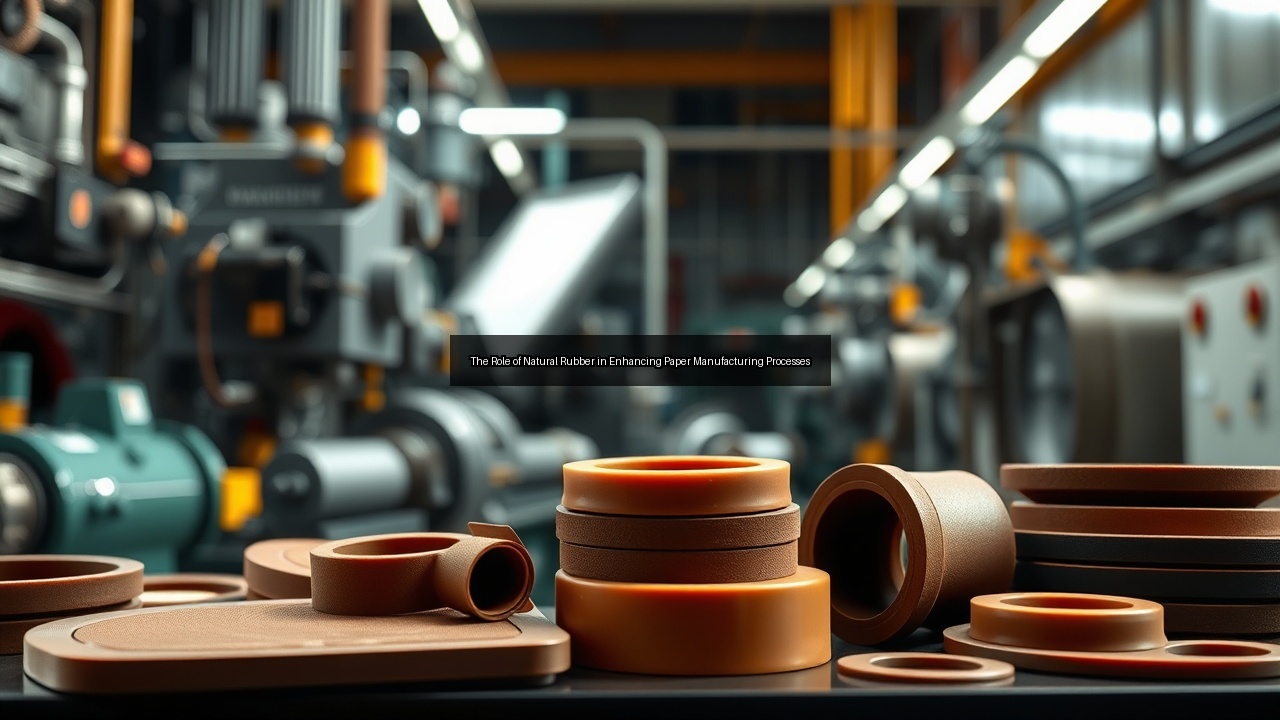
The Importance of Natural Rubber in the Pulp and Paper Industry
Overview of Natural Rubber Properties
Natural rubber, derived from the latex of rubber trees, boasts unique properties that make it rubber products for paper industry essential in various industrial applications. Its elasticity, resilience, and excellent tensile strength set it apart from synthetic alternatives. In the pulp and paper industry, these characteristics enable natural rubber to withstand harsh processing conditions, including exposure to chemicals and high temperatures. Additionally, natural rubber exhibits superior adhesion properties, allowing for effective bonding in paper production. Its ability to maintain performance under pressure and its resistance to wear and tear significantly enhance the durability of manufacturing equipment and products.
Benefits of Using Rubber in Paper Manufacturing
Integrating rubber products for the pulp and paper industry streamlines operations and boosts overall efficiency. One of the primary benefits is the reduction of downtime due to equipment failure. Natural rubber components like stoppers and gaskets ensure tight seals, preventing leaks that can disrupt production. Furthermore, rubber's chemical resistance minimizes the risk of contamination, preserving the quality of the finished paper products. The flexibility of rubber allows it to absorb vibrations, reducing wear on machinery and extending equipment life. Overall, the use of natural rubber not only enhances operational efficiency but also contributes to a more sustainable manufacturing process.
Comparison with Synthetic Rubber Products
While synthetic rubber products provide certain advantages, they often fall short in critical areas where natural rubber excels. Synthetic varieties may have enhanced resistance to specific chemicals, but they generally lack the overall flexibility and biodegradability of natural rubber. In the pulp and paper industry, where environmental concerns are paramount, natural rubber’s renewable sourcing and lower environmental impact make it a preferred choice. Furthermore, natural rubber's superior performance in extreme conditions often outweighs the benefits of synthetic options. When evaluating rubber products for the paper industry, manufacturers must consider not only performance but also sustainability and long-term cost-effectiveness.
Key Rubber Products for Paper Manufacturing
Stoppers and Their Applications
Stoppers play a pivotal role in the pulp and paper manufacturing process, ensuring seamless operation of various machinery. These rubber components prevent leaks in tanks and pipes, maintaining the integrity of fluid systems. In addition to their sealing capabilities, stoppers facilitate the safe storage of raw materials and chemicals essential for paper production. Their resilience to wear and chemical exposure ensures longevity, which is crucial for reducing maintenance costs. By incorporating high-quality rubber stoppers, manufacturers enhance the reliability of their processes, leading to improved output and reduced operational disruptions.
Gaskets: Ensuring Seals and Efficiency
Gaskets serve as critical components in machinery used in the pulp and paper industry. They create airtight seals between various parts, preventing the escape of liquids and air. This sealing ability is vital in maintaining optimal pressure and flow rates within systems such as vacuum pumps and chemical reactors. Natural rubber gaskets provide excellent compression set resistance, which allows them to retain their shape and effectiveness over time. This durability translates to fewer replacements and lower operating costs. The efficiency of rubber gaskets directly impacts the overall performance of manufacturing equipment, making them indispensable in paper production.
Vacuum Systems: The Role of Rubber Components
Vacuum systems are integral to many processes in the pulp and paper industry, from dewatering to drying. Rubber components within these systems, such as seals and hoses, must withstand varying pressures and temperatures while maintaining functionality. Ethylene Propylene Diene Monomer (EPDM) rubber, known for its excellent weather resistance and durability, is commonly used in vacuum systems. It effectively seals out contaminants and retains flexibility, ensuring consistent performance. By utilizing high-quality rubber products in vacuum applications, manufacturers can enhance operational efficiency, reduce energy consumption, and improve product quality.
Innovative Uses of Rubber in Enhancing Production Processes
Ethylene Propylene Diene Monomer (EPDM) in Paper Mills
EPDM rubber has emerged as a transformative material in paper mills, offering superior chemical resistance and longevity. Its ability to withstand harsh chemicals involved in the pulping process makes it an ideal choice for seals, hoses, and gaskets. EPDM's resistance to ozone and UV radiation further ensures its reliability in outdoor applications. Manufacturers increasingly favor this rubber for applications where exposure to aggressive substances is common, as it minimizes the risk of equipment failure. By adopting EPDM rubber products, paper manufacturers enhance their production processes, ensuring consistent output and quality while reducing maintenance costs.
Rubber's Role in Chemical Resistance and Durability
Rubber products for the pulp and paper industry provide unparalleled chemical resistance, which is vital for maintaining product integrity. Natural rubber and its synthetic counterparts are designed to resist a wide range of chemicals used in the papermaking process, including bleaching agents and solvents. This resistance not only extends the lifespan of equipment but also ensures that production remains uninterrupted. By investing in high-quality rubber components, manufacturers can significantly reduce the risk of equipment degradation, ensuring that their operations remain efficient and cost-effective. Durability in rubber products translates to fewer replacements and lower operational downtime.
Case Studies: Successful Integration of Rubber Products
Several companies in the pulp and paper industry have successfully integrated rubber products, resulting in measurable improvements in efficiency and reliability. For instance, a leading paper manufacturer replaced their traditional gaskets with high-performance natural rubber gaskets, significantly reducing leaks and maintenance needs. This change not only enhanced production efficiency but also contributed to a notable decrease in chemical waste. Another case involved the use of EPDM rubber components in vacuum systems, leading to higher energy efficiency and better overall performance. These examples highlight the potential of rubber products in transforming manufacturing processes, reinforcing their critical role in the industry.
Future Trends and Developments in Rubber Applications for the Paper Industry
Sustainability in Rubber Sourcing
Sustainability has become a focal point in the pulp and paper industry, driving the demand for eco-friendly rubber sourcing practices. Manufacturers increasingly seek natural rubber from certified plantations that adhere to responsible forestry practices. This commitment not only supports environmental conservation but also aligns with consumer preferences for sustainable products. As the industry shifts towards greener practices, the sourcing of rubber will likely evolve, with an emphasis on transparency and traceability. This trend will enhance the reputation of rubber products for the pulp and paper industry while ensuring a sustainable supply chain.
Emerging Technologies in Rubber Manufacturing
Advancements in rubber manufacturing technology promise to revolutionize the pulp and paper industry. Innovations such as 3D printing and bio-based rubber production are gaining traction, allowing for customized solutions and reduced environmental impact. These technologies enable manufacturers to produce tailored rubber products that meet specific operational needs, enhancing efficiency and performance. Moreover, the development of smart rubber pulp and paper industry rubber products materials equipped with sensors can provide real-time monitoring of equipment conditions, leading to predictive maintenance and reduced downtime. Such advancements will pave the way for more sustainable and efficient manufacturing processes in the paper industry.
Impact of Regulatory Changes on Rubber Products
Regulatory changes will continue to shape the landscape of rubber products for the pulp and paper industry. Stricter environmental regulations and safety standards necessitate that manufacturers adopt compliant materials. This shift will drive innovation in rubber formulations, leading to the development of products that meet or exceed regulatory requirements. Companies that proactively adapt to these changes will gain a competitive edge, positioning themselves as leaders in sustainable practices. Staying informed about regulatory trends will be essential for manufacturers aiming to leverage rubber products effectively in their operations.
See Also
- How Rubber Stoppers Improve Chemical Handling in Paper Manufacturing
- The Intersection of Rubber and Chemistry in Paper Production
- Gaskets and Stoppers Essential for Optimal Pulp Production
- Exploring the Chemistry Behind Rubber Products in Paper Mills
- The Future of Rubber Technology in the Pulp and Paper Industry