The Chemistry Behind EPDM Rubber and Its Impact on the Pulp Industry
Introduction to EPDM Rubber and Its Significance in the Pulp Industry
Overview of EPDM Rubber
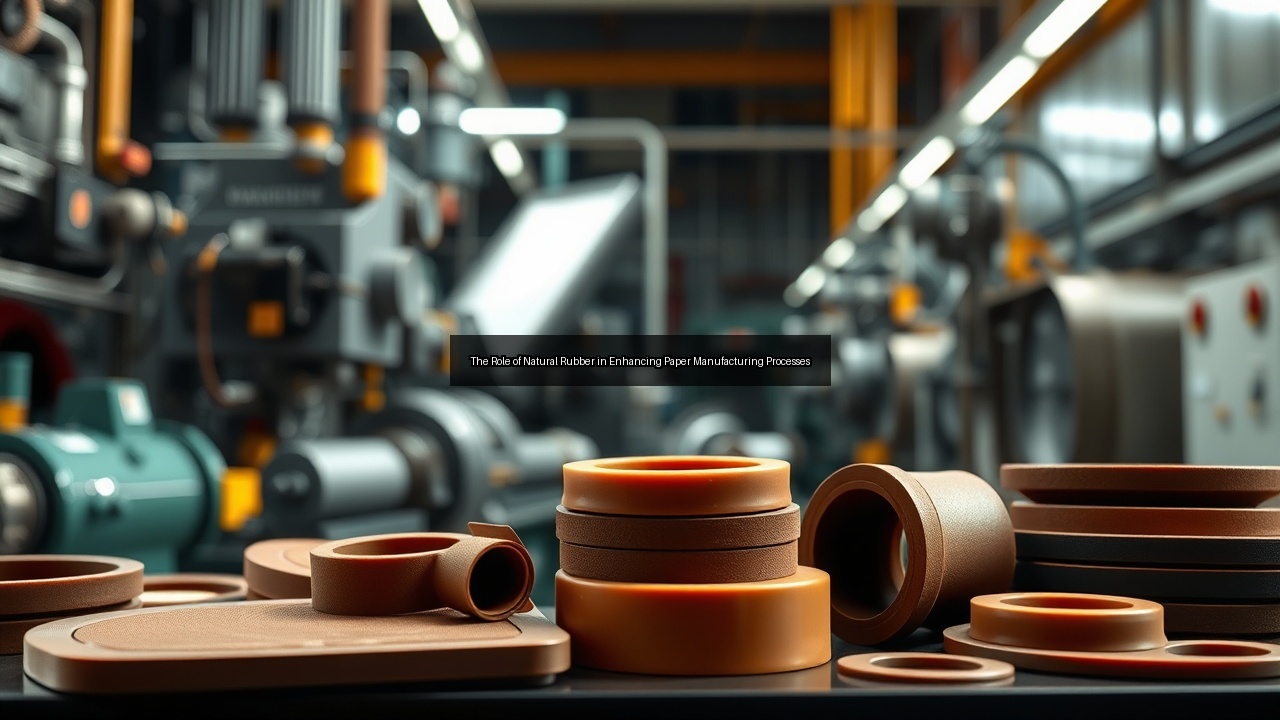
EPDM rubber stands out as a synthetic elastomer engineered for demanding environments where flexibility and endurance matter most. Ethylene propylene diene monomer rubber forms through polymerization of ethylene, propylene, and a small amount of diene, creating a saturated backbone that resists oxidation and weathering. Producers tailor the ratio of these monomers to adjust hardness, elasticity, and temperature tolerance. This material maintains performance across wide temperature swings and shows strong resistance to steam, water, and many polar chemicals. Pulp facilities rely on such stability because processing lines run continuously under harsh conditions. EPDM replaces older elastomers in critical spots where failure causes downtime and lost output. Its molecular structure allows repeated compression without cracking, making it ideal for components that seal against aggressive fluids and gases.
Importance of Rubber Products in the Pulp and Paper Industry
Rubber products for the pulp & paper industry keep production lines running by providing reliable seals, cushions, and fluid barriers. Mills handle corrosive chemicals, high-pressure steam, and abrasive slurries daily, so components must withstand constant exposure without degrading. Gaskets and stoppers prevent leaks in tanks, pipes, and valves that transport pulp stock and bleaching agents. Vacuum systems depend on these rubber elements to maintain suction that removes water from forming sheets. Without durable rubber, equipment suffers accelerated wear and requires frequent replacement, raising maintenance costs. Natural rubber once dominated but fails quickly under ozone and heat, pushing mills toward synthetics. Today EPDM supplies the longevity needed for high-volume output while supporting strict safety standards.
The Chemical Composition of EPDM Rubber
Understanding Ethylene Propylene Diene Monomer (EPDM)
Ethylene propylene diene monomer rubber builds from three primary monomers combined in controlled ratios. Ethylene provides crystallinity and strength, propylene adds flexibility and lowers the glass transition temperature, while the diene enables sulfur vulcanization for cross-linking. Manufacturers select specific dienes such as ethylidene norbornene to fine-tune cure speed and compression set. The resulting polymer chain remains largely saturated, granting resistance to heat, ozone, and ultraviolet light. Pulp mills value this chemistry because it survives prolonged contact with alkaline and acidic chemicals used in pulping and bleaching stages. Production involves solution or suspension polymerization followed by compounding with fillers, oils, and curatives to meet exact mechanical specifications for gaskets and vacuum seals.
Key Chemical Properties of EPDM
EPDM exhibits low polarity that limits swelling in polar solvents yet allows compatibility with many process chemicals found in pulp operations. Its saturated backbone resists chain scission from oxygen and ozone, preserving elasticity over years of service. Thermal stability reaches 150 degrees Celsius continuously, with short peaks higher, suiting steam-exposed vacuum lines. Electrical insulation remains high even when wet, an advantage in sensor housings. Compression set stays low after repeated cycles, ensuring gaskets and stoppers retain sealing force. These properties arise directly from the monomer balance and curing system, giving engineers predictable performance data for component design in paper machines.
Comparison with Natural Rubber
Natural rubber offers excellent tensile strength and resilience but succumbs rapidly to ozone cracking and heat aging. EPDM surpasses it in weather and chemical resistance, particularly against the oxidizing agents and steam common in pulp processing. Natural rubber absorbs more water and swells in alkaline solutions, leading to seal failure, while EPDM maintains dimensional stability. Cost per kilogram favors natural rubber for low-demand uses, yet total ownership cost drops with EPDM because replacement intervals lengthen dramatically. Mills that switch from natural rubber to EPDM report fewer unplanned stops and lower inventory of spare parts. Both materials accept similar compounding techniques, yet the performance gap widens under continuous chemical exposure.
Applications of EPDM Rubber Products in the Pulp Industry
Gaskets and Stoppers: Essential Components
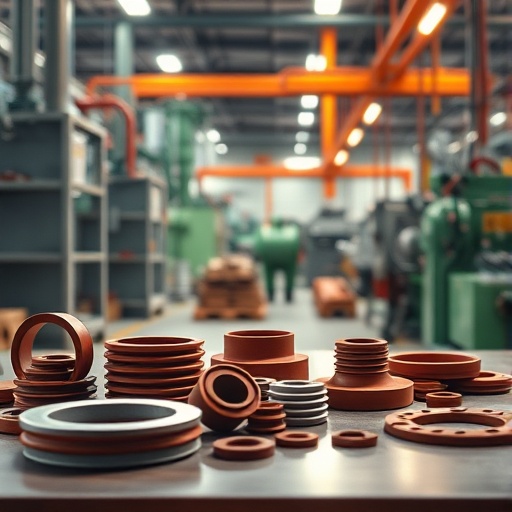
Gaskets cut from EPDM sheets seal flanges on digesters, washers, and stock chests where pressure differentials and chemical attack coexist. Custom-molded stoppers close sampling ports and drain openings, preventing spills that could contaminate batches or create safety hazards. Their resilience allows repeated installation and removal without tearing. In high-consistency pulp lines, these components absorb vibration from pumps and refiners, extending equipment life. EPDM formulations incorporate carbon black or mineral fillers to balance hardness with flexibility, ensuring tight conformance to irregular surfaces. Mills standardize on EPDM gaskets and stoppers because they survive both acidic and alkaline cleaning cycles without hardening or losing elasticity.
Vacuum Systems in Pulp Processing
Vacuum systems remove water at the forming section and press section of paper machines, demanding airtight seals around suction boxes and couch rolls. EPDM rubber products maintain vacuum integrity because they resist compression set and recover quickly after pressure cycles. Vacuum hoses and diaphragms made from this elastomer withstand flexing at elevated temperatures without cracking. Stopper plugs isolate sections during maintenance while preserving overall system vacuum. Any leak reduces efficiency and increases energy consumption for vacuum pumps. EPDM’s low gas permeability and resistance to steam condensation make it the material of choice for these critical interfaces in modern pulp and paper industry rubber products.
Durability and Resistance of EPDM Products
EPDM components endure abrasive pulp fibers and chemical sprays that erode softer elastomers within months. Accelerated aging tests show minimal change in hardness or elongation after 1,000 hours at 100 degrees Celsius in humid conditions. Ozone exposure in outdoor storage yards leaves surfaces intact rather than fissured. Mills document service lives exceeding five years for EPDM gaskets in bleach plant piping, compared with one year for competing materials. This durability reduces the frequency of shutdowns for seal replacement and cuts waste from discarded parts. The material also tolerates occasional contact with oils and greases used in equipment lubrication without swelling excessively.
Advantages of Using EPDM Rubber in Pulp and Paper Manufacturing
Chemical Resistance and Longevity
EPDM withstands the broad pH range of pulping liquors and bleaching chemicals without significant degradation. Its resistance to chlorine dioxide, hydrogen peroxide, and caustic solutions keeps gaskets functional far longer than alternatives. Longevity translates directly into fewer production interruptions and lower spare-part consumption. Engineers calculate that EPDM seals in vacuum applications last three times longer than natural rubber equivalents under identical loads. This extended life supports continuous operation targets and improves overall equipment effectiveness metrics across the mill. Chemical inertness also reduces the risk of contamination from degraded rubber particles entering the pulp stream.
Cost-Effectiveness Compared to Other Rubber Types
Initial material cost for EPDM sits above some commodity rubbers, yet lifecycle economics favor it strongly. Reduced replacement labor, lower downtime, and decreased inventory needs offset the premium. Mills that track total cost of ownership report savings of 30 percent or more when standardizing on EPDM rubber products for the pulp & paper industry. Energy efficiency improves because vacuum systems hold target levels with less pump effort. Natural rubber and nitrile compounds require more frequent change-outs, driving hidden costs that appear in maintenance budgets rather than purchase orders.
Impact on Production Efficiency
Stable seals allow machines to run at higher speeds without leakage or vacuum loss. Consistent gasket performance reduces variation in pulp consistency and sheet moisture, improving paper quality metrics. Switch to EPDM components often coincides with measurable gains in overall equipment effectiveness. Cat downtime events related to seal failures drop sharply, freeing technicians for preventive work. Production planners gain confidence in scheduling longer runs between maintenance windows, boosting annual tonnage output without added capital investment.
Future Trends and Innovations in Rubber Products for the Pulp Industry
Sustainable Practices in Rubber Production
Producers now incorporate bio-based ethylene and recycled content into EPDM compounds to lower carbon footprint. Closed-loop compounding reduces solvent emissions and waste sent to landfills. Pulp mills request documentation of sustainable sourcing for all rubber products for the pulp industry they purchase. Life-cycle assessments guide formulation changes that maintain performance while cutting environmental impact. These practices align with corporate sustainability targets and upcoming regulatory requirements on material traceability.
Emerging Technologies in EPDM Rubber Applications
Additive manufacturing allows rapid prototyping of complex gasket geometries tailored to specific vacuum boxes or stopper housings. Sensors embedded in EPDM seals provide real-time data on compression and temperature, enabling predictive maintenance. New curing systems shorten production cycles for custom parts without sacrificing cross-link density. These advances accelerate adoption of EPDM in next-generation pulp lines that demand higher precision and uptime.
The Role of EPDM in Environmental Compliance
Strict limits on volatile organic compound emissions and wastewater contaminants favor EPDM because it releases fewer extractables than many alternatives. Its durability reduces the volume of rubber waste generated annually. Mills use EPDM gaskets and vacuum components to meet best-available-technique standards during permit renewals. Continued material improvements support compliance with tightening regulations while preserving operational reliability across the entire pulp and paper industry rubber products supply chain.
See Also
- Transforming Paper Production Efficiency with Advanced Rubber Technologies
- From Stoppers to Gaskets Discover Essential Rubber Components for the Paper Industry
- Maximizing Durability and Performance with Rubber in Pulp Processing Equipment
- The Essential Guide to Choosing Rubber Products for Pulp and Paper Applications
- Innovative Rubber Solutions Driving Efficiency in the Pulp and Paper Industry